For enterprise webcasting teams, precision and adaptability are two of the most important attributes for every person involved. Even the most carefully planned live event can be disrupted by last-minute changes, technical glitches, or unexpected audience behavior, and the organizations that consistently deliver seamless, high-impact broadcasts are the ones that are both well prepared and agile.
For enterprise communications teams, agility is a critical capability that works to ensure continuity brand reputation, and keeping audiences engaged regardless of what is happening behind the scenes.
Agility is a Core Competency in Enterprise Webcasting
Enterprise events have evolved. More than simple one-way broadcasts, they have become dynamic, interactive events that are a crucial part of global organizational strategies. With this increased complexity comes inevitable increased risk.
Research suggests that global organizations are increasingly prioritizing digital engagement channels, with an almost 20% increase in events being used as a strategic marketing tool year on year. Combined with rising consumer expectations for a seamless experience both in front of and behind the scenes, and the challenge for events teams is clear.
With expectations on the rise, and tech developments increasing the number of elements that could fail, events teams are presented with a challenging task. Training for agility mitigates some of these challenges by enabling teams to respond to issues in real time, maintaining professional continuity during unexpected changes. It can also prepare them to make fast, confident decisions under pressure while adapting content and delivery. Allowing for a seamless presentation, even if disruption occurs behind the scenes.
Common Live Event Disruptions
Even the most experienced teams encounter challenges during live event broadcasts. The key difference is how quickly and effectively they respond.
- Speaker connectivity or audio failures
- Delayed or absent presenters
- Last-minute slide or agenda changes
- Sudden unexpected spikes in audience numbers
- Regional bandwidth inconsistencies
- Overwhelming response to Q&A
Without proper training these issues can cause hesitation, confusion, and visible disruption. But with the right preparation enabling teams to execute changes under pressure, they can become manageable moments instead of critical failures.
Simulation Training for Agile Delivery
One of the most effective ways to build agility is through simulation. Traditional rehearsals focus on timing and content delivery, simulating a perfect event scenario. Agile teams should go one step further, introducing scenario-based training that simulates real-world failure in a controlled environment to allow teams to practice responses long before they really matter.
Speaker Drop Off
By simulating a speaker dropping off mid presentation teams can practice seamless, swift transitions to a backup speaker. This preparation ahead of time reduces the risk of disruption and creates a smoother experience for audiences.
Content Changes
In high-stakes environments information can change very quickly. Practicing last minute slide swaps or additional content updates during live segments reduces the risk of misinformation being distributed, helping to ensure reputations are maintained and communications are clear.
Failover Feeds
Even the most prepared teams can experience technological failure. When a stream fails it’s vital to have a backup stream prepared to ensure that audiences experience as little disruption as possible. Training teams to manage active-active failover scenarios can help to minimize stress behind the scenes, making the process smoother for audiences and event teams alike.
Content Moderation
When audience volumes spike unexpectedly, especially in Q&A sessions, moderation behind the scenes can become incredibly complex. Training all team members to act as moderators in high-volume sessions allows for quicker filtering and queueing of appropriate questions. This helps minimize the stress placed on speakers and reduce the risk of disruption from bad actors.
Building Cross Functional Events Teams
Enterprise webcasts are rarely owned by a single team. Instead, they involve a network of stakeholders including:
- Corporate communications
- IT and network operations
- Investor relations
- HR and internal communications
- Marketing and brand teams
- Executive assistance and leadership stakeholders
Agility breaks down when these groups operate in silos.
To improve responsiveness teams should:
- Define clear roles and responsibilities before the event begins
- Establish escalation paths for decision making
- Align technical and communications teams early in planning
- Ensure everyone understands the event objectives and priorities
High performing teams operate as a single unit, not a collection of isolated departments.
Creating an Event Playbook
Agility isn’t the same as improvisation. To be truly agile teams should create structured frameworks that enable fast, coordinated actions.
This is where Event Playbooks come into play. By including all the information that a team will need to make decisions and respond to issues during events, organizations can significantly mitigate the risk of chaos behind the scenes.
Detailed production run sheets ensure that every member of behind-the-scenes events team knows what should be happening, and when. Ensuring that everyone is on the same page minimizes time delays and reduces internal confusion.
Clear escalation matrices ensure that everyone knows who to contact in the event of a problem. This reduces the time between decisions being made, and ensures that the right calls are made by the right people.
Defined contingency plans for common scenarios work to save time by reducing the need for resolution discussions. If everyone agrees on exactly what will be done should a particular scenario arise ahead of time, then solutions can be implemented immediately as they are needed.
Backup content and speaker protocols help to maintain the flow of an event even when speakers or content need to change. Protocols that outline backup options for every speaker in advance allow for replacements to be made without additional delays.
Approved communication channels should be outlined to ensure that every member of the behind-the-scenes team shares information in the right place, reducing the risk of miscommunication or internal confusion disrupting the flow of an event.
Training Presenters for Live Adaptability
It’s not just production teams that need to be agile.
Executives and speakers are the most visible part of live events, and their ability to adapt can significantly influence audience experience and perception.
In the run up to live events, presenters and speakers can improve their agility by preparing and practicing for unexpected changes or delays. By practicing a flexible, conversational delivery style in advance they will be more able to maintain that casual flow in higher stress moments.
Similarly, familiarizing themselves with contingency plans and playbooks, practicing responses to potentially challenging audience interactions, and drafting statements ahead of time can help keep messaging clear and in line with brand expectations, reducing the risks associated with on-the-spot improvisation.
A well-prepared presenter can help to turn disruptions into moments of authenticity, protecting organizational reputation and creating opportunities for further engagement.
Post-Event Debriefs
Agility doesn’t end with reactivity. Every live event provides valuable insights that can help to improve future performance, and structured post-event debriefs are essential for capturing that learning.
Debriefs should include:
- A review of any technical or performance issues
- Analysis of audience engagement and behavior
- Identification of bottlenecks and inefficiencies
- Feedback from stakeholders
Organizations that adopt continuous improvement practices are significantly more likely to outperform their peers in terms of operational efficiency. By documenting lessons learned and updating playbooks accordingly, teams can become more agile, and more effective, with every event.
Conclusion
Enterprise webcasting success comes when teams can respond quickly and efficiently in moments of crisis, without compromising audience experiences. Organizations that invest in training their events team for agility gain the ability to deliver seamless, professional, and engaging live experiences no matter what happens behind the scenes.

Investor days are among the most strategically important moments in the corporate calendar, shaping market perception, influencing analyst confidence, and telling the story behind the numbers. With the globalization of many organizations over the last decade these events are increasingly taking place in hybrid or fully virtual environments, increasing access and availability, but also creating new challenges to overcome.
In these settings the way financial information is presented matters just as much as the information itself. Dense spreadsheets and static sides that may have been sufficient with the energy of a physical room can quickly lose impact when presented online. Without the benefit of in-person context, body language, or informal follow-up conversations, clarity becomes critical.
This shift has taken data visualization from a design choice to a business imperative.
When executed effectively, and delivered through secure, enterprise grade platforms, data visualization helps organizations turn complex financial performance into insight-driven narratives that resonate with investors and turn openings into opportunities.
Narrative Complexity and Context
Investor days are inherently information-rich events where leaders are expected to present against a range of topics.
Multi-year Growth Strategies
Showcase plans for future development, creating investor trust by demonstrating clear strategic vision and focus for the path forward. By presenting the future story of an organization as a credible and actionable financial growth plan leaders can nurture investor confidence and demonstrate long term value.
Segment Performance Reports
Support shareholders and investors to understand each element of a company’s performance, evaluating areas of success or shortfall so that they can make more informed decisions about the future of their investment. These segmented or divisional reports are a small but vital part of a larger financial story.
Cost Structures
Whether fixed or variable, cost structure reports present a breakdown of expenses that show investors where their money is being used. This is especially important in highly regulated environments where expenditure is vital for the compliance measures that support returns on investment.
Risk Outlooks
With any investment comes risk, and investors and shareholders need to understand those risks to make decisions on their continued holdings. Presenting risks must be done very carefully, with a transparency and nuance that can build trust without obfuscating reality.
Market Positioning
Highlighting market position is a simple way to demonstrate to investors how the company is performing in the broader industry space. Though simple it is very important to present market position clearly to support future investment planning.
The Challenge of Virtual Presentation
In a physical setting speakers can read the room and adapt topical presentations in real time based on the reactions and energy being returned to them.
In a virtual setting this is much more difficult, leaving speakers to rely on well assembled visual appealing content, and engagement tools such as:
- Screen and slide sharing
- Live commentary
- Structured Q&A
To engage and interact with their investors.
Virtual audiences process information differently. Attention spans are shorter, distractions are higher, and screen fatigue can become a significant factor in audience drop off. If the numbers aren’t immediately legible, and the story isn’t engaging, the narrative is much more easily lost. Especially in longer session formats. Dense data tables and overly complex slides that are difficult to parse in a digital forum could lead to disengaged investors, or worse, misinterpreted messages.
Creating a Strategic Narrative
Numbers alone are rarely enough. What matters more in many cases is direction, momentum, comparisons, and drivers, all brought together to create a full picture of the financial story.
Data visualization can bridge the gap between raw figures and strategic meaning by making patterns visible.
By implementing visuals into financial presentations, speakers can show performance trajectories and margin expansions as simple, legible graphics. With clear visuals the requirement for lengthy interpretations is reduced, allowing investors to quickly and accurately interpret outcomes, saving time and making space for further discussions.
With visuals as the anchor of an overarching narrative presenters can efficiently answer key investment questions, showing strategy performance and growth areas, highlighting sustainability and breaking down risks in a format that captures attention and improves comprehension.
Visual Formats that Work in Investor Day Webcasts
Not all visuals serve the same purpose. Choosing the right format is essential to creating clarity and capturing interest.
Trend Visuals Show Direction
By using simple line charts presenters can demonstrate:
- Revenue growth
- Market expansion
- Long-term performance projections
They allow investors to quickly assess whether the organization is delivering sustained progress or short-term fluctuations.
Comparison Visuals Highlight Gaps
By using bar charts presenters can show:
- Segmented performance comparisons
- Regional breakdowns
- Product line contributions
Though not flashy, bar charts can clearly show differentiation and diversification, allowing for immediate comparison over months or even years.
Bridge Visuals Explain Change
Though less commonly used in day-to-day operations, waterfall charts can be created to illustrate:
- EBITDA movement
- Profit drivers
- Cost impact
These charts help investors understand why things changed, not just that they changed, supporting context for the overarching narrative.
Executive Dashboards Summarize the Story
High level dashboards can be maintained throughout an annual cycle and allow leadership teams to present:
- KPIs
- Forecast indicators
- Strategic targets
In virtual settings specially, these summary views can be essential for summarizing and reinforcing takeaways, removing the requirement for lengthy overview discussions and data deep dives.
Designing for Virtual Environments
Even the clearest visuals can fail if they have not been designed specifically with screen delivery in mind.
Audiences for virtual investor days could be joining from a range of devices, from laptops and multi-monitor setups to tablets and mobile phones. Graphics and visuals, therefore, must be created in such a way that they are readable even at a very small scale.
The most effective virtual-first design includes:
- Clean layouts with strong contrast
- Limited data points per visual
- Minimal reliance on small text
- Intentional color use to guide interpretation.
To ensure that the most audience members can view and engage with visuals they should be simple, clear, and not use elements that might draw additional bandwidth such as animations to ensure the best experience for those on mobile devices.
By choosing a producer led platform with slide integration and custom content tabs event organizers can ensure that visuals appear at the right moment, in the right format, minimizing the risk of inconsistency and misinformation.
Data Visualization as a Strategic Advantage
Investor expectations have never been higher. They demand transparency, clarity, and strategic context in every communication, and even the smallest mistake when presenting information can lead to critical losses in the long term.
Organizations that present financial data visually create the most opportunities for understanding. With clear data that is easily understood organizations demonstrate to investors that they are credible, prepared, and forward thinking, building reputational trust that can strengthen investor confidence and support future growth.
Conclusion
As virtual and hybrid investor days continue to be the norm, it is clear that organizations must adapt how they present their financial performance information.
Reporting must become storytelling. Numbers must inform meaning. And dense slides must become strategic visuals.
Those who invest in strong visualization practices, while prioritizing secure delivery platforms, will be better equipped to communicate efficiently and effectively in high-stakes financial communication events.
And data visualization will be the difference between numbers being seen, and understood.

The line between physical and virtual events is changing, and what once was a boundary is now a bridge. As the 2026 event season begins, events planners are reimagining what it means to bring people together, both in person and online.
Modern hybrid events represent the pinnacle of event design, combining the in-person energy of traditional events with the sale, accessibility, and intelligence of digital platforms. But despite the advancements for many event planners, the biggest challenge remains how to effectively connect event attendees who aren’t in the same room.
Synchronizing Hybrid Formats for a Unified Experience
The foundation of a successful hybrid event lies in synchronization. Every element, from the agenda and content delivery to the engagement tools and additional resources, should be designed to ensure that both audiences share a common experience.
A common pitfall in hybrid event design is treating virtual attendees as passive viewers rather than active participants. To avoid this first hurdle, event organizers should choose a platform that is tailor made to support immersive and engaging hybrid events, with integrated engagement tools that help virtual attendees feel as though they’re in the room.
Other best practices for synchronizing hybrid event formats are:
Unified Scheduling
Though some virtual attendees may want to make use of on-demand availability and asynchronous viewing to align with their schedules, there will be those who want the live experience. Keep both audiences aligned with synchronized start times for key sessions, and shared keynotes that can be attended regardless of format, while still offering on-demand viewing post event.
Designated Moderators
By assigning one moderator in the room and another for online audiences who collaborate through the central event platform, you can encourage unified discussions while ensuring that every voice is heard.
Shared Engagement Tools
Engagement activities don’t have to be limited to online attendees. Open polls and Q&As to those in the room through the same interface as those attending remotely for a combined experience and better data tracking.
How to Keep Remote Attendees Engaged in Hybrid Events
The fear of missing out, or FOMO, can significantly impact virtual attendee experience, especially when remote participants feel excluded from the energy, networking, and buzz of a live event. This disconnect can lead to a drop in engagement, with attendees choosing to tune out rather than remain in the background.
From a psychological perspective, the feeling of inclusion is created by a mixture of visibility and participation. The more opportunities that remote attendees have to shape their event experience, through bespoke agendas, polls, or discussions, the less they’ll feel like outside observers.
To create the best experience for every attendee, event organizers should design hybrid experiences intentionally, presenting specific opportunities to virtual attendees that will enhance their overall experience.
Creating Shared Moments
One of the most effective ways to close the divide between remote and physical audiences is to design shared moments that unite both groups in real time.
- Opening and Closing Ceremonies bring attendees together at the start and end of events, establishing a unified event community. Streaming the opening keynote and featuring interactive introductions supports the sense of shared space.
- Joint Polls and Q&A can be used for every attendee, not just those attending virtually. With tools that aggregate responses, event organizers can make space for a single conversation.
- Hybrid Breakout Sessions are designed to mix remote and physical attendees via video conferencing and breakout room tools. Creating these spaces encourages cross-collaboration and helps keep virtual attendees part of every discussion.
Technology That Bridges Physical and Digital Event Formats
As virtual event technology continues to develop it seems more likely than ever that the future of events will be hybrid, with immersive real-time technologies harnessed to bridge global distances.
Enterprise grade event platforms are already providing stable, scalable streaming with integrated engagement features to support and enhance hybrid attendance and ensure that every attendee experiences content seamlessly.
But new innovations are set to take the hybrid events space further. With emerging technologies in 3D video presence, such as Google’s Project Starlight, virtual presenters could soon appear almost as clearly as if they were in the room with their audiences. Combine this with advancements in traditional AI for engagement, personalization, and analytics, and hybrid events will soon be set to offer an entirely new level of immersion.
Extending the Life of Hybrid Events
Hybrid events come with the built-in advantage of creating an immediate digital footprint. With the right hybrid event platform event organizers can turn a one-time experience into a continuous engagement opportunity.
Event impact can be extended by:
- On-Demand Access. Record sessions directly into events portals to make them available instantly for new or returning attendees after the event closes.
- Follow-up Messaging. Dive deeper into the topics that your audience cared about, using engagement data to personalize post-event messaging.
- Resource Sharing. Use your designated events portal as a hub where attendees can download related resources, and access additional information.
By approaching each hybrid event as a continuous experience rather than one-off activity, event organizers can significantly increase both the reach and the ROI of their events.
Measuring Success Beyond Engagement
By focusing on performance and improvement, event organizers analyze more than attendance metrics to evaluate the success of their events. With the best event platforms offering a range of reporting and analytics integrations, event planners can create detailed dashboards that measure both in-person and virtual activity to create a holistic picture of their events.
By choosing a hybrid event platform that measures engagement rates through poll and Q&A participation, content reach with on-demand and replay statistics, and attendee sentiment with post-event surveys, organizers can evaluate the quality of engagement, rather than simply logging attendee numbers, allowing them to refine every experience for future improvement.
Conclusion
As hybrid events continue to evolve, the goal remains the same. Connecting two audiences to create a single event community. With the development of event technology, event organizers will be more able to blend physical energy with digital intelligence. This helps make attendance and engagement effortless no matter the channel.
Whether through synchronization, real-time engagement, or on-demand availability, hybrid events are redefining what it means to connect, making virtual and physical events better by bringing them seamlessly together.
Frequently Asked Questions
What is a Hybrid Event?
A hybrid event is an combines an in-person experience with a virtual audience that attend online at the same time. Hybrid events use secure event technology to connect both audiences through live streaming and interactive engagement tools.
How do you keep virtual attendees engaged during a hybrid event?
Virtual attendees stay most engaged when hybrid events include:
- Live polls and Q&As across both audiences with emoji reactions for feedback
- Moderated chat and reactions
- Dedicated virtual hosts and producers
- Integrated virtual networking tools
Using enterprise event platforms ensures virtual event attendance is not treated as secondary to in-room experiences.
What are the benefits of hybrid events?
Hybrid events can increase reach, improve accessibility, extend event lifespan through on-demand content, providing event organizers with richer engagement data. They allow organizations to connect with global audiences while maintaining the impact of in-person interaction.
What technology is needed to run a successful hybrid event?
Successful hybrid events require:
- Reliable, low latency live streaming
- Interactive engagement tools
- Audience analytics and reporting
- Enterprise grade security and compliance.

Enterprise sales organizations now operate across continents, time zones, and work environments, with 52% of employees in the US working under hybrid arrangements. Yet the annual sales kickoff (SKO) still carries enormous weight. It unifies teams, aligns priorities, sets revenue expectations, and builds energy for the fiscal year ahead.
However, with many sales employees preferring hybrid, or fully remote working arrangements, the traditional in-person SKO model no longer fits. Modern sales leaders need to adopt an approach that delivers reach, engagement, security, and measurable impact across global borders.
How Hybrid Sales Kick Off Events Work
Hybrid SKOs use a blend of onsite production and virtual technology to create a single, seamless event that ensures every participant receives a consistent, branded, measurable experience.
In Person SKO Elements
Some elements of an SKO are natural in-person choices. Keynote speeches and smaller group leadership or strategic breakout sessions thrive on in-room energy, harnessing the natural buzz of shared experience. In-person events are also the perfect location for smaller team building activities, workshops and round tables, and networking coffee stops where conversation flows as naturally as the energy in the space.
However, in person events aren’t always an option for every organization. By moving to a hybrid format and choosing a platform with onsite production support for studio-quality broadcasts, that in-person energy can be shared on a huge scale.
Virtual SKO Elements
Virtual SKO attendance doesn’t have to lead to lesser experiences. Live, interactive webcasts hosted on enterprise grade software can have just as much impact with the inclusion of a few simple elements.
While chatting at the coffee bar can’t be perfectly replicated virtually, designated breakout sessions allow virtual attendees to chat and network just as easily as they would in person. And though a virtual attendee can’t put their hand up in a keynote session to ask a question, many platforms feature moderated Q&A and polling integrations to help virtual attendees remain connected.
Benefits of Hybrid Sales Kick Off Events for Enterprise Teams
Reach and Accessibility
Hybrid formats eliminate geographical barriers, leading to:
- Participation across continents and time zones
- Reduced travel fatigue and lower out-of-office time
- Inclusion of contractors, partners, frontline teams, and new hires
Budget and Environmental Impact
Hybrid SKOs provide opportunities for cost-conscious organizations by reducing expenses in:
- Travel
- Venue
- Accommodation expenses
Plus, with significantly reduced carbon impact stemming from reduced travel, going hybrid with a sustainable enterprise grade platform can support global sustainability initiatives.
Engagement Opportunities
It would be easy to assume that virtual attendance would decrease engagement, but with the right tools engagement activities can be significantly increased.
- Live polls and Q&A
- Moderated Chat
- Downloadable Resources
- Gamification
These integrations are simple on the surface, but can be used to create a personalized, interactive experience for virtual attendees, especially when compared to passive ballroom presentations.
Evergreen Content
Hybrid event formats enable event content to be recorded in high definition. This allows you to:
- Retain sessions for on-demand access
- Reuse content in onboarding, sales enablement, or partner training
- Turn highlight moments into microlearning or social media clips
- Build an all-year sales content hub
Performance Analytics
With an enterprise grade, purpose-built platform, data collection and analysis capabilities dramatically improve. This allows sales leaders to report:
- Attendance and drop off metrics
- Engagement scoring
- Content consumption data
- Sentiment tracking
And with CRM integration capabilities, the right platform not only gives potential for analysis, but for continued improvement year on year.
Built-In Redundancy
When events attract attendees on a global scale, the barriers to attendance are equally global. By moving to a hybrid format events are protected from:
- Inclement weather
- Travel delays
- Natural disasters
- Scheduling conflicts
With flexible attendance options, event continuity is maintained, even if entire teams are rendered unable to travel.
Challenges of Hybrid Sales Kickoff Events
Like any event, hybrid SKOs present unique challenges, and require careful planning to be truly effective.
Complexity
Hybrid events can be more complex to organize and facilitate due to the requirements for both on-site and online coordination. Balancing elements between both environments can significantly increase the time required from internal organizational teams, especially those who are not event specialists.
Technology
With any online event having the right tech stack is vital, and hybrid events are no different. Without a dedicated singe point platform, moving between multiple platforms and tools increases the potential for tech failure, and if those tools don’t communicate the additional troubleshooting and solutions workload can be restrictive.
Engagement Equity
Every SKO attendee matters, but virtual attendees are easily forgotten in the rush. Ensuring that remote attendees feel as immersed and included as other attendees requires a level of additional planning and attention that may be missed by inexperienced teams.
Security and Compliance
With phishing and hacking incidents increasing every year, security is more important than ever before. Choosing an insecure platform without comprehensive access controls to host a hybrid SKO could lead to data loss, compliance breaches, and irreversible reputational damage.
Digital Fatigue
Poor agenda management with elements that run too long or sessions that lack engagement potential can quickly lead to fatigue, especially among those attendees who are not in the room. A disengaged audience is as good as an absent one, so event organizers should be mindful when choosing a platform to ensure that engagement features are included as standard to combat fatigue and hold attendee attention.
Despite the challenges, hybrid event formats still offer significant benefits to global teams, and many of the issues facing organizers can be resolved by engaging a unified, enterprise grade hybrid event platform to streamline, planning, delivery, and analytics.
Conclusion
Hybrid sales kick off events give enterprise sales organizations a scalable, secure, and engaging way to align global teams. They reduce costs, support sustainability goals, deliver richer engagement, and can unlock powerful analytics that help leaders measure readiness and performance.
For enterprises operating across time zones, regions, and compliance frameworks, hybrid formats could be the future of sales alignment.
Frequently Asked Questions
What is a Hybrid Sales Kickoff?
A hybrid sales kickoff (SKO) is a company-wide revenue event that combines in-person sessions with virtual participation, allowing distributed sales teams to join live or on-demand. Hybrid SKOs align global sales, marketing, and customer-facing teams while reducing travel costs, improving accessibility, and increasing engagement through interactive digital tools. They also produce rich analytics that help leaders measure readiness, track participation, and continuously improve enablement programs.
Why are companies shifting to hybrid SKOs?
The move to hybrid SKO formats can improve accessibility for attendees, reduce travel and venue costs, and support global sustainability goals by reducing carbon consumption. Hybrid events also allow for greater data insights than in-person only events which can be used for continuous improvement.
What technology is needed for a hybrid sales kickoff?
A secure, enterprise-grade event platform with purpose designed hybrid event features is essential to run a smooth hybrid sales event. The best platforms also offer live event production support for both on-site and virtual elements.

With global focus still shifting towards reducing environmental harm, hybrid events stand out as a smarter, more sustainable alternative to traditional, in-person conferences. Concerns around climate change, resource depletion, and waste generation have led to organizations re-evaluating the cost, both economical and ecological, of their events.
Hybrid events offer a practical solution for maintaining high levels of engagement while significantly reducing environmental impact.
The Environmental Impact of In-Person Events
In person summits and conferences, while offering valuable face-to-face interaction, have a significant environmental impact. Studies show that an average three day in-person conference could produce the same CO2 as powering hundreds of US homes for an entire year, and with corporate events running all year, across the globe, that number is only increasing.
Travel Emissions
One of the largest contributors to the carbon footprint of in-person events is travel, especially air travel. A single international conference can generate thousands of tonnes of CO2 from air travel alone, and transportation from airports to hotels to conference locations only adds to this carbon load.
Energy Use
Large conference centers consume equally large quantities of energy to run lighting, air conditioning, heating, audio-visual equipment, and catering facilities. The bigger the event, the more power is required to maintain it each day.
Catering and Food Waste
Food production is inherently resource intensive, contributing to water usage and greenhouse gas emissions. When events are catering for large numbers, there is often a significant amount of associated waste, both from leftover food, packaging, and from single use plastic items like cutlery and plates.
Printed Promotional Materials
Traditional events require traditional printed materials. Agendas, brochures, signage and name tags along with branded merchandise items from vendors all add up. With over 60% of event materials likely being thrown away within the first year of the event it is clear to see their contributions to an event’s overall environmental impact.
Accommodation and Utilities
Hotel stays for event attendees naturally increase energy and water consumption at a given hotel. With an influx of delegates comes increased laundry services, housekeeping, heating and air conditioning requirements, all carrying an environmental toll that scales with the size of the event.
Hybrid Events and the Global Sustainability Effort
By design hybrid events combine the best aspects of both in-person and virtual event formats. They allow participants flexibility and choice, while reducing costs and maintaining human connection.
Significantly Reduced Travel
By enabling remote participation, hybrid events reduce the need for attendees to travel, which in turn reduces the event’s carbon impact. For international conferences even a partial shift to virtual attendance can dramatically cut air travel emissions.
Optimized Venue Use
With fewer in-person attendees event venues can be smaller and more energy-efficient. Organizers can also more easily select event locations that prioritize sustainable practices, such as renewable energy use and water conservation measures. By reducing in-person numbers with a hybrid format it may even be possible to avoid hiring large convention centers entirely, which presents a significant cost saving alongside environmental benefits.
Digital-First Materials
A hybrid format naturally embraces digital platforms for communication and content delivery. Agendas, brochures, speaker bios, and attendee surveys can all be shared online, cutting down on paper waste, and print costs. This digital shift also enhances accessibility with the inclusion of translation and screen reading capabilities.
Minimized Catering and Waste
Smaller in-person footprints mean a more controlled catering plan, with reduced overproduction and leftover waste. With lower numbers it is also more feasible to budget for sustainably conscious options by sourcing locally or prioritizing seasonal menu items.
Resource Reduction
Transitioning to hybrid events not only cuts event budget requirements, but can also reduce core resource consumption.
- Electricity Consumption: A single large conference center uses tens of thousands of kilowatt-hours of electricity during a multi-day conference, while event hosting platforms are becoming more energy-efficient every year.
- Water Usage: Between restrooms, catering, and cleaning, conferences use a lot of water, which is immediately saved when switching to hybrid formats.
- Waste Management: With high percentages of discarded print material and uneaten food, waste is a significant factor in any in-person conference. Reducing physical numbers naturally reduces physical waste.
Sustainable Event Planning
Opting for hybrid events aligns with many organizations’ corporate responsibility commitments, offering a viable solution to reducing environmental impact and managing resources without sacrificing business outcomes.
Event planners can implement sustainable event planning practices by:
Choosing a Sustainable Platform
By working with an enterprise-grade hybrid event platform organizations can slash the CO2 impact of their event while saving costs on travel and accommodation for both themselves and their clients.
Setting Sustainable Participation Goals
Don’t just offer remote attendance, encourage it. Cap in-person numbers and provide information in advance about the benefits of attending virtually. Use previous hybrid event resources to showcase the experience so that attendees can see that they won’t be missing out.
Prioritizing Local Partnership
For in-person locations try to work with local vendors and suppliers where possible, minimizing the requirement for additional travel and associated transport emissions.
Promoting Awareness
While it might not be the focus of your event, sharing information with attendees about the sustainability impact of their participation provides transparency, creating additional layers of trust between you and your customers.
Conclusion
Hybrid events represent a huge step towards a future of more sustainable event planning. They allow organizations to cut down their emissions, reduce waste, and save money on resources without sacrificing human connection and collaboration.
As more organizations re-think how they bring people together, hybrid event models offer a purpose built, sustainable solution to the challenges of the modern industry.
Frequently Asked Questions
Why are hybrid events considered more sustainable than traditional events?
Hybrid events reduce the environmental impact associated with travel, venue usage, printed materials, and onsite resource consumption. By allowing part of the audience to attend virtually, organizations can significantly lower carbon emissions while still maintaining live event engagement and global accessibility.
How do hybrid events help companies meet sustainability goals?
Hybrid formats support sustainability goals by reducing travel emissions, improving accessibility, and minimizing event waste. They also allow organizations to demonstrate measurable sustainability efforts while maintaining stakeholder engagement across global audiences.
What sustainable event practices can event planners implement during hybrid events?
Event planners can improve sustainability by:
- Reducing printed collateral through digital agendas, and QR code links to digital resources
- Creating virtual attendance options to allow for scaled down venue sizes
- Offering on-demand sessions to reduce repeat travel
- Using virtual networking solutions over in-person catering-heavy receptions
- Leveraging energy efficient streaming and production solutions
These strategies help lower operational waste without sacrificing attendee experience.
Do hybrid events still provide strong audience engagement?
Yes. Modern hybrid event platforms support live Q&A, polling, surveys, interactive presentations, and on-demand content access for both virtual and in-person attendees. The most successful hybrid experiences are designed to make remote participants feel equally included and engaged.
What industries benefit most from running sustainable hybrid events?
Though there are benefits for all industries, those with global audiences, compliance requirements, or high travel demands can often benefit the most from hybrid formats. These include financial services and investor relations companies, pharmaceutical and healthcare organizations, enterprise technology companies, education and training providers, and global human resources and corporate communications teams. Hybrid events allow these organizations to scale participation while supporting sustainability and accessibility goals.
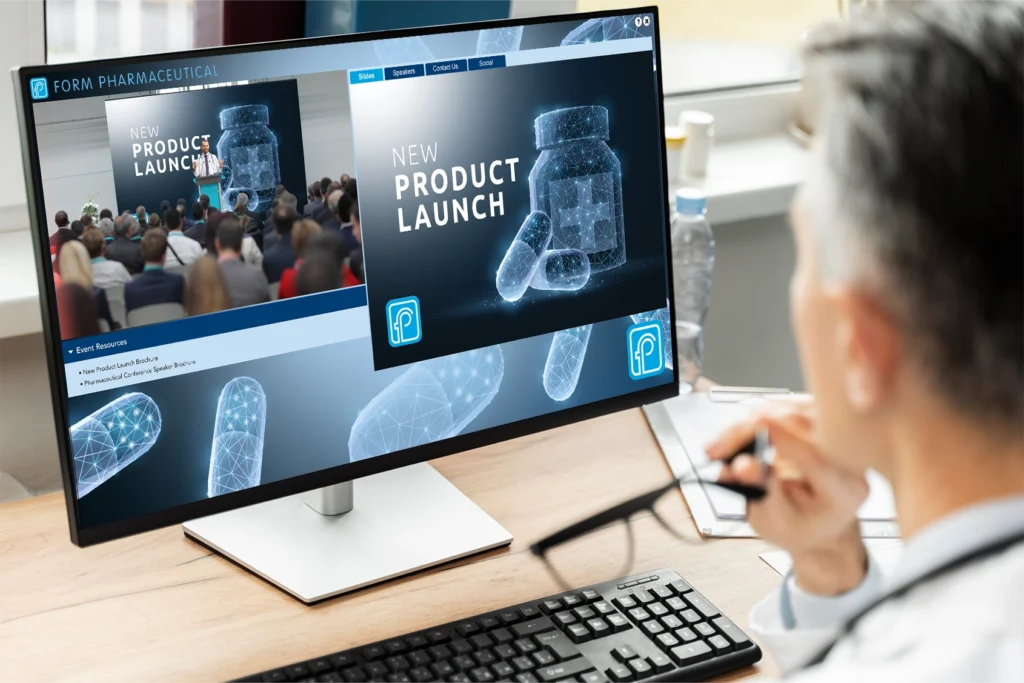
Hybrid Event Strategies for Industry Conferences and Risk Management Summits
Industry conferences and risk management summits have long served as essential forums for thought leadership, networking, and knowledge exchange. As the events landscape continues to evolve hybrid events that combine in-person and virtual participation are emerging as the dominant model for the modern conference sphere. These events offer greater accessibility, flexibility, and audience reach, making them perfect for sectors that value both accessibility and security.
However, hybrid events also bring organizational challenges, requiring careful planning, technical integration, and engagement strategies that cater to diverse attendee needs. With the rise of hybrid events in industry conferences it is key to balance innovation with practicality and attendee satisfaction.
The Role of Hybrid Events
Hybrid events are rapidly changing the way that professional conferences and summits are planned and executed. Without the limitations imposed by venue capacity and geographic location hybrid conferences are enabling global participation without compromising attendee experience.
In industries where the speed of information exchange is critical, hybrid events allow stakeholders from all regions to participate in real time, limiting potential miscommunication and allowing for key messages to transmit at the perfect moment. The broad scope of hybrid events facilitates rapid responses in critical moments, without compromising regulatory compliance.
By adopting a hybrid approach, event organizers can extend the lifespan of their content, enabling sessions to be recorded, replayed, and repurposed as many times as required. This not only saves time for key internal teams, but creates additional value for both stakeholders and participants.
Balancing Experiences for Maximum Impact
One of the main challenges in a hybrid event strategy is creating an experience that feels equal for both in-person and virtual attendees. A successful hybrid conference shouldn’t feel like two separate events, but one cohesive experience delivered across multiple platforms.
Content Availability
When considering the balance of in-person and virtual elements it is important to ensure that all content is available to all attendees. Keynotes, panels, discussion groups, and breakouts, should all be accessible through livestream or on-demand video as well as happening in person.
Consistent Branding
While it won’t be possible to deliver identical experiences, ensuring that branding and messaging are consistent across both in-person and virtual spaces creates a sense of unity for attendees.
Good Moderation
For attendees accessing the event through a virtual portal, strong moderation of sessions can make or break their experience. Dedicated moderators should be assigned to both in-person and virtual spaces to both encourage participation and troubleshoot any issues that may arise.
Networking Opportunities
Digital networking may not have the same allure as the traditional coffee table chat, but that doesn’t mean that it shouldn’t be arranged for virtual attendees. Organizers can make use of matchmaking tools, live chat, and virtual breakout spaces to connect remote attendees with each other, and with on-site participants.
Consider Your Audience
It is important to remember that each attendee will have different expectations from the event. In-person attendees may look for face-to-face interaction opportunities and hands-on experiences, while virtual participants are likely to value flexibility and succinct content delivery. Designing hybrid conferences with these preferences in mind an increase attendee engagement in all areas.
Tools for Seamless Hybrid Event Execution
Good technology is the foundation of a successful hybrid event. The right tools not only ensure flawless execution, but enable seamless communication and content delivery to all audiences. By selecting an enterprise grade hybrid event platform you can ensure a smooth user experience from start to finish.
When choosing an event platform there are several considerations that need to be made.
- Audio Visual Infrastructure: Does the platform have dedicated A/V specialists to ensure seamless broadcasting and onsite production?
- Interactive Integrations: Does the platform feature or integrate with tools that create an immersive and interactive experience for virtual attendees?
- CRM and Analytics: Does the platform have CRM and Analytics capabilities that allow you to analyze audience engagement to maximize follow-ups?
- Security and Compliance: Does the platform boast enterprise-grade security that will ensure attendee data won’t be compromised so you stay compliant?
By using a platform with an integrated toolset that allows you to customize the elements that matter, event execution and outcomes will be dramatically improved, as will attendee experience.
Engaging Attendees Online and In-Person
One of the most complex challenges that hybrid event organizers face is keeping attendees engaged. Even content that is the same at face value will need to be delivered in unique ways for each audience type, with elements to bridge them together wherever possible.
Virtual Attendees
- Try and keep content broken down into smaller segments. This will reduce screen fatigue and help attendees to maintain focus.
- Offer a range of both Live and on demand sessions to cater to multiple time zones and add flexibility.
- Make use of gamification elements such as quizzes to boost engagement.
- Create dedicated virtual networking spaces to create a sense of community.
In-Person Attendees
- Offer exclusive live access to on-site sessions that are being recorded for on-demand viewing by online attendees.
- Incorporate in-room interactive elements such as Q&A and audience polling.
- Consider using an event app to help on-site attendees navigate and plan their day.
Bridging the Gap
- Run hybrid discussion panels, with some speakers in person and some virtual, and an audience made up of both.
- Facilitate virtual networking both before and after the event to connect attendee groups.
- Create a universal event hashtag that can be used by all attendees to create social buzz and conversation.
No matter what engagement strategies you choose, it is vital that they are flexible and can evolve with the needs and expectations of each audience type. Ensuring that every attendee feels involved and valued is the best way to transform one-time passive viewers into regularly attending active participants.
Challenges and Considerations
While hybrid events offer significant potential, they are not without their challenges in set-up and execution. A hybrid conference may occur higher costs in some areas than a traditional event due to the additional audio/visual support requirement. There may also be technical difficulties to overcome that would not impact traditional events such as reliable high speed internet connectivity.
When coordinating schedules and timings it is important to consider both audiences in any plan. Creating a running agenda that works for everyone may require some items being available multiple times, or items being split into multiple sections to reduce screen fatigue, while ensuring that in-person attendees aren’t short of options.
There are also security challenges that must be considered at every stage of the hybrid event process. Choosing a platform that does not offer the right security protection could significantly impact the safety of your customer data, and as a result your entire event.
Knowing the challenges that your event may face early allows them to be considered in every facet of event planning, which in the long run will lead to a smoother event execution.
Conclusion
Hybrid events, with their increased opportunities for reach and resilience, are now a staple for many conferences and industry summits. By investing in the right technology to ensure longevity, prioritizing connection over convenience, and embracing the unique split format, organizations can maintain a leading edge in a competitive events landscape.

In a world that is shaped by rapid digital transformation, the way we connect, collaborate, and communicate is always evolving. Nowhere is this shift more evident than in the events industry. Traditional in-person gatherings have given way to virtual events and hybrid events — formats that blend the best of both digital and physical experiences that pose a strategic advantage for organizations looking to future-proof their events.
From cost-effectiveness and broader audience reach to enhanced engagement and a reduced environmental impact, virtual and hybrid events models offer a wealth of benefits.
Cost Effectiveness and Scalability
One of the most compelling advantages of virtual and hybrid events is cost savings. Venue hire, travel expenses, accommodation, catering, printed materials, and logistics are just a few of the major costs that are either reduced or eliminated entirely when an event shifts from in person to online.
For organizers, this translates to a leaner budget and better ROI. For instance, a mid-sized conference that once required thousands of dollars in overheads can now be run for a fraction of the price. With digital events being scalable, even organizations with traditionally smaller budgets such as non-profits are finding themselves able to host professional-grade events without compromising quality.
But it’s not just about saving money; it’s also about doing more with less. Enterprise grade event platforms can scale easily to accommodate larger audiences, offering unlimited seats, multiple session tracks, and on-demand content without the need to book larger venues or hire extra staff. Hybrid events, too, can be adjusted according to budget and audience needs, with in-person elements tailored to local attendees and a virtual component reaching a global audience.
Expanding Audience Reach and Breaking Geographical Barriers
Traditionally, event attendance has been limited by geography, time, and cost. With virtual and hybrid events, those limitations fall away. A conference once confined to a local hotel or conference center can now reach attendees in Singapore, Stockholm, and São Paulo — all at the same time.
The digital nature of these events also allows for greater accessibility. Busy professionals, parents, and individuals with disabilities can attend virtual or hybrid events without needing to rearrange their lives. Time zone considerations are mitigated with on-demand access, and translation or captioning tools allow for multilingual engagement.
This democratization of access benefits both attendees and organizers. For businesses, it means wider brand exposure and the opportunity to tap into new markets. For attendees, it provides greater choice and flexibility, allowing them to make the best use of their time.
The Role of Technology in Enhancing Engagement and Interactivity
Unlike traditional large scale web meetings, virtual and hybrid events are not inherently passive. Modern event technology has made it easier than ever to create highly engaging and interactive experiences for virtual event attendees.
From live polls, breakout rooms, and chat functions, to gamification and virtual networking lounges, attendees can participate actively, rather than simply watching content from the sidelines. Hybrid formats bridge the physical and digital, allowing virtual participants to ask questions during live panels, join in group discussions, or connect with in-person attendees through dedicated portals.
Artificial intelligence (AI) and data analytics further enhance the virtual attendee experience by personalizing content, making recommendations, and generating insights in real-time. This leads to higher satisfaction and stronger connections — both key metrics for event success.
Sustainability Benefits: Reducing Travel and Resource Consumption
Virtual and Hybrid events also boast a number of sustainability benefits, which remains a priority for many event planners and attendees alike, and forward-thinking companies are building sustainability into their events strategy as a standard, not an exception. Traditional events are resource-intensive, with significant energy usage for lighting and heating, waste from printed materials, and increased carbon emissions from air travel.
Virtual events drastically reduce the environmental footprint by minimizing travel and eliminating the need for physical infrastructure. Even hybrid events, when thoughtfully designed, can be more sustainable by localizing in-person attendance and reducing carbon while maintaining the ‘in room’ buzz.
Industry Adoption of Virtual and Hybrid Events
The uptake of virtual and hybrid events has spanned nearly every industry:
- Corporate: Town halls, product launches, and leadership summits are increasingly hybrid to ensure global participation.
- Education: With continued professional education a must in the modern era, organizations are turning to blended learning models and online conferences to maintain regulatory compliance.
- Healthcare: Virtual medical conferences and telemedicine symposia allow ongoing professional development and collaboration across borders.
- Fundraising and Charity: Digital fundraising galas and awareness campaigns reach wider audiences with lower overheads.
As technology continues to evolve, with AI tools developing at a rapid pace, these models will only become more sophisticated. Event planners of the future will need to adopt a hybrid-first mindset — designing experiences that are flexible, accessible, data-driven, and sustainable. The event landscape is no longer bound by venue walls or zip codes. Instead, it’s a dynamic, global ecosystem powered by creativity and technology.
Conclusion
The shift toward virtual and hybrid events isn’t just a passing trend — it’s a reflection of deeper societal changes that are here to stay. As people demand greater flexibility, accessibility, and sustainability in all areas of life, the events industry must respond accordingly.
Organizations that embrace these models are not only better prepared for disruption — they’re also unlocking new levels of engagement, reach, and resilience. The future of events is not either/or — it’s both. Virtual and hybrid events offer the agility, impact, and scale to meet modern demands, and there has never been a better time to rethink your event strategy and harness the full potential of digital transformation.

In an ever more global economy, expanding into international markets is a strategic necessity. But with opportunity comes complexity, especially when it comes to managing communication across diverse time zones, languages, and cultures. That’s where webcasting steps in.
From web conference meetings to large-scale video webcasting, these technologies offer businesses the ability to securely communicate clearly, consistently, and cost-effectively across borders. Webcasting is both a technical solution and an enabler for global business growth.
The Strategic Role of Webcasting in International Expansion
Global expansion means engaging customers, partners, and employees in multiple locations. In-person meetings are often impractical due to cost, time, and logistical hurdles. Webcasting bridges these gaps by enabling companies to deliver live and on-demand content to distributed audiences with minimal effort.
Overcoming Geographical Barriers
A traditional challenge for global businesses is how to communicate with distributed teams and external stakeholders in real time. Time zones, distance, and availability can all complicate even the most routine interactions.
Webcasting, along with hybrid and virtual events, offers a scalable solution to this problem. Companies can host live web conference meetings for instant collaboration, leverage on demand video webcasts for asynchronous viewing, or invest in hybrid events that combine in-person and online elements to ensure everyone can participate, regardless of location.
These tools make it easy to reach international teams, host multilingual events, and deliver consistent messaging to all markets simultaneously.
Supporting Key Business Events
Webcasting is not a one-size-fits-all tool. It’s a versatile platform that supports a wide range of strategic communication needs.
Town Hall Meetings
Global companies rely on regular town halls to align employees, build culture, and communicate strategic priorities. Webcasting allows leaders to speak directly to thousands of employees across the globe, either live or through recorded sessions that employees can watch on their own time.
R&D Days
Research and Development (R&D) efforts are increasingly collaborative and international. Webcasting enables researchers, engineers, and stakeholders from different countries to share updates, review data, and innovate in real time, without the delays and costs of travel.
New Product Introductions
Launching a new product globally requires a coordinated communications effort across sales, marketing, and customer service teams. Video webcasting makes it easy to train internal teams, build excitement with partners, and deliver product demonstrations to media and customers in multiple regions at once.
Reducing Travel Costs and Environmental Impact
Travel is expensive, not just in terms of cost, but also in time and carbon footprint. As businesses aim to meet both budget and sustainability goals, webcasting offers a compelling alternative to frequent international flights and large physical events.
Cost Savings from webcasting include:
- Lower airfare and accommodation expenses
- Fewer logistical costs related to venues, catering, and event staffing
- Reduced productivity loss from employee travel
The Environmental Benefits are equally compelling:
- Decreased carbon emissions from flights and ground transportation
- Smaller physical event footprints, which means less waste and resource usage
- Support for corporate sustainability goals and green certifications
These advantages make webcasting not only a smart financial decision but also a socially responsible one.
Key Features to Look for in a Webcasting Solution for Global Teams
Not all webcasting platforms are created equal, especially when it comes to supporting the needs of globally distributed teams. When choosing a solution, it is vital to consider several essential features.
Scalability
Whether you’re addressing 500 people or 100,000, your webcasting solution should handle large audiences without compromising quality or performance. Look for platforms that offer cloud-based scalability and global content delivery networks (CDNs).
Accessibility
A global audience includes people with different languages, abilities, and tech access. Your platform should offer:
- Multi-language support and live translation
- Mobile-friendly interfaces
- Screen reader compatibility
- Live audio-captioning
Security
When you’re sharing sensitive business information, security is non-negotiable. Choose a solution that offers:
- End-to-end encryption
- Role-based access control
- Compliance with global standards like GDPR, HIPAA, and SOC 2
Interactivity
Keep your global audience engaged with interactive features like:
- Live Q&A and polls
- Chat functions
- Real-time feedback tools
These features turn passive viewers into active participants, improving information retention and creating a sense of community across borders.
Analytics
Data is critical for continuous improvement. Look for solutions that offer robust reporting tools to track:
- Attendance and participation rates
- Engagement metrics (e.g., poll responses, chat activity)
- Viewing behavior (e.g., average watch time, drop-off points)
These insights can help you refine future webcasts and better serve your global audience.
How GlobalMeet Supports Global Business Growth
GlobalMeet is the leading webcasting and virtual event solution trusted by the Fortune 500. It is built specifically with global business needs in mind. It combines enterprise-grade technology with user-friendly design to deliver high-impact communication across international teams.
Secure and Compliant
GlobalMeet is designed to meet the highest standards of security and compliance, including GDPR, SOC 2, and ISO 27001, allowing you to host confidential internal meetings or high-profile public events without worrying about data breaches or compliance violations.
Scalable and Reliable
Whether you’re hosting a leadership town hall or a global product launch, GlobalMeet scales effortlessly to meet your needs. The platform is backed by a global CDN and cloud infrastructure, ensuring smooth streaming for audiences anywhere in the world.
Multi-Language and Accessibility Features
With support for real-time translation, closed captioning, and accessible interfaces, GlobalMeet ensures your message is clear and accessible, no matter who’s tuning in or where they are.
Enhanced Engagement
GlobalMeet offers a suite of engagement tools, from live polls, surveys, and Q&A to downloadable resources and branded event pages to help you keep global audiences connected and involved.
Actionable Analytics
Track the success of your webcasts with detailed analytics on viewer engagement, registration, and content performance. Use these insights to fine-tune future communications and better align with your strategic goals.
Conclusion
As companies expand into international markets, the need for seamless, scalable, and secure communication becomes critical. Webcasting plays a central role in this transformation, enabling real-time collaboration, cutting operational costs, and connecting global teams with clarity and consistency.
Whether you’re hosting a town hall for thousands of employees or launching a new product to markets worldwide, webcasting gives you the tools to scale your message without losing its impact.
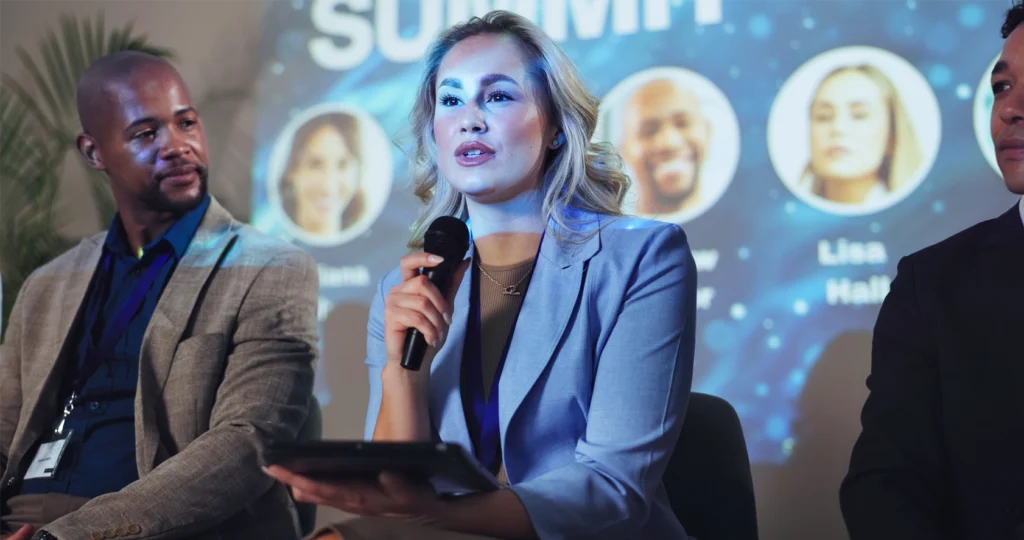
From “Fake Paper” to Real Impact: Making Digital and Hybrid Events Feel Tangible
The rise of digital and hybrid events has introduced unparalleled opportunities for global connection and innovation. Yet, a critical challenge persists: how do we make these virtual experiences feel genuine, impactful, and tangible rather than just another “fake paper” placeholder in the world of event engagement? The right virtual event engagement strategies can transform virtual and hybrid events from superficial to significant.
Understanding the "Fake Paper" Phenomenon
The term “fake paper” captures a sentiment many attendees feel during digital events. Virtual handshakes lack warmth; screens replace the spontaneity of real-world encounters. In this context, digital events can feel intangible, even insignificant. Much like fake paper, an empty simulation of the real thing, they run the risk of being overlooked or undervalued.
This sense of superficiality stems from the lack of depth and authenticity. Attendees often crave more than mere visual or auditory cues; they miss the tactile, emotional aspects of traditional events. The weight of a name tag, the excitement of mingling over coffee, the dynamic exchanges in hallway chats, and the shared energy of applause create memories and connections that stay with attendees long after the event ends. Without these layers of experience, digital events risk becoming disposable, a blur of screens rather than meaningful moments.
To bridge this gap, planners must look beyond the confines of technology as a transactional medium and strive to make digital and hybrid events feel personal, emotionally resonant, and undeniably real. This requires thoughtful integration of tools and virtual event engagement strategies that prioritize meaningful interactions, as well as a commitment to creating shared experiences.
Creating Depth and Authenticity
To move beyond the superficial, event organizers must prioritize depth and authenticity. Here are several key approaches:
Leveraging Technology for Tangible Experiences
Advancements in technology allow digital events to simulate real-world sensations and interactions.
Virtual Reality (VR) and Augmented Reality (AR): These tools create immersive environments where attendees can explore virtual venues, engage with booths, or attend breakout sessions as if they were physically present. These technologies replace static 2D experiences with dynamic, exploratory spaces, making attendees feel part of the action.
Physical-to-Digital Bridges: Send physical event kits with tactile items such as branded merchandise, snacks, tools for interactive workshops, or even sensory objects that tie into the event theme ahead of the event. The anticipation and engagement with these kits can anchor the digital experience in something tangible.
Sensory Technology: Incorporate haptics or audio-visual enhancements to engage multiple senses, such as vibration feedback during an AR experience or 3D audio that simulates realistic spatial soundscapes. Sensory depth enhances immersion and makes digital interactions memorable.
Gamification and Interactivity
Gamification transforms passive participation into active engagement, fostering a sense of fun and competition that attendees can enjoy across both digital and physical spaces. Incorporating gamification ideas for virtual events allows organizers to inject energy, creativity, and interactivity into the attendee experience.
- Introduce leaderboards, challenges, or live quizzes that reward attendees with incentives such as event-branded prizes or charitable donations in their name.
- Utilize tools like scavenger hunts that connect physical and virtual elements. For instance, attendees can unlock clues in an app by completing both on-site and digital activities.
- Implement virtual escape rooms or trivia tournaments, encouraging collaboration and interaction. Structured games make every moment of participation feel purposeful.
By incorporating these gamification ideas for virtual events, organizers can cultivate camaraderie and creativity, transforming isolated experiences into interactive and enjoyable ones.
Bridging the Digital-Physical Divide
Hybrid events offer a natural opportunity to connect the digital and physical realms. To maximize impact. Creating seamless hybrid experiences requires attention to both logistics and user experience.
- Utilize simultaneous live streams and interactive video conferencing to promote real-time collaboration. Ensure that the quality of engagement is consistent for both audiences, minimizing feelings of exclusion.
- Organize shared experiences, such as interactive keynote sessions, where attendees across locations can contribute questions, vote in polls, or see their input reflected instantly. Consider unifying platforms that handle both in-person and virtual audiences, reducing friction.
- Design interactive elements, such as custom event apps or on-site VR booths, that enable remote attendees to participate in activities like live product demonstrations.
Networking That Feels Real
Networking is a cornerstone of any event, yet virtual networking often feels contrived. To combat this:
- Leverage AI tools to match attendees based on shared interests, backgrounds, or career goals, enabling curated one-on-one meetings that mimic chance encounters.
- Host casual networking sessions using structured formats, such as speed networking, peer-to-peer interviews, or small topic-focused breakout discussions. These allow for targeted, meaningful conversations.
- Create virtual communal spaces, such as lounges designed with interactive widgets like avatar-based games or opportunities for co-creating whiteboard ideas, to mimic the lively, unstructured flow of real-world mingling.
Hybrid networking succeeds when it enables attendees to forge genuine connections—whether they’re on-site or online.
Buzzworthy Trends Shaping Virtual Engagement
To elevate digital and hybrid events from functional to exceptional, event planners must embrace emerging trends:
Personalization
Gone are the days of one-size-fits-all content. Attendees now expect tailored experiences that make them feel seen and valued.
- Use registration data to create customized agendas tailored to individual interests, skill levels, or learning goals. Provide options to personalize even within sessions, such as advanced breakout rooms for interactive discussions.
- Deliver personalized follow-ups, such as curated session recommendations, actionable resources, and targeted networking opportunities. When attendees feel directly acknowledged, engagement deepens.
Sustainability
Virtual and hybrid events already reduce carbon footprints by eliminating travel requirements, but planners can amplify the sustainable impact:
- Replace physical collateral with visually appealing digital brochures and handouts.
- Opt for green hosting services that prioritize renewable energy, and highlight these efforts in event messaging.
- Include sustainability discussions, such as workshops on actionable climate initiatives, fostering awareness among attendees.
Immersive Technology
Cutting-edge technology takes engagement to the next level.
- Invest in virtual platforms that replicate real-world dynamics, creating cohesive event universes with lifelike graphics, textures, and environments.
- Incorporate holographic displays that make it possible for speakers or performers to appear in multiple locations simultaneously, reducing travel while still delivering a personal touch.
- Use AI-driven interactions, such as conversational chatbots or real-time content recommendations, that mimic human-like spontaneity.
Boosting Engagement Through Feedback and Metrics
Engagement is the metric that separates “fake paper” events from impactful ones. An iterative approach informed by data ensures events evolve to feel increasingly authentic and resonant.
- Analyze metrics such as session attendance, interaction rates, social media mentions, and post-event survey data. By integrating these findings, planners can understand what worked well and what requires improvement.
- Monitor engagement trends within virtual platforms. Heatmaps tracking movement or clicks can reveal how audiences engage with interactive content, indicating which areas felt most dynamic.
- Gather qualitative feedback via direct interviews or focus groups. Personal anecdotes and observations often uncover emotional insights that raw data might miss.
Building future events on these learnings ensures continuous enhancement of their tangibility and depth.
Pitfalls to Avoid
To ensure digital and hybrid events truly resonate:
Avoid Overcomplicating Technology:
Complex platforms can frustrate users. Prioritize intuitive tools over flashy but confusing interfaces, especially when engaging diverse audiences.
Don’t Skimp on Production Quality:
Subpar audio, video, or unstable internet streams can undermine credibility. High production values signal professionalism and enhance attendee confidence.
Resist Ignoring Personal Connection:
Technology should enhance, not replace, human interaction. Create opportunities for empathy, surprise, and genuine moments of shared enthusiasm.
Conclusion
While digital and hybrid events risk feeling intangible, event planners possess powerful tools to create authentic, impactful experiences. By combining technological innovation, interactivity, and a human-centric approach, you can bridge the gap between the digital and physical, turning “fake paper” into something profoundly meaningful. The future of events lies in their ability to feel real, wherever attendees may be. Through thoughtful design, virtual event engagement strategies, and utilizing gamification ideas for virtual events, event organizers can leave lasting impressions that really matter.
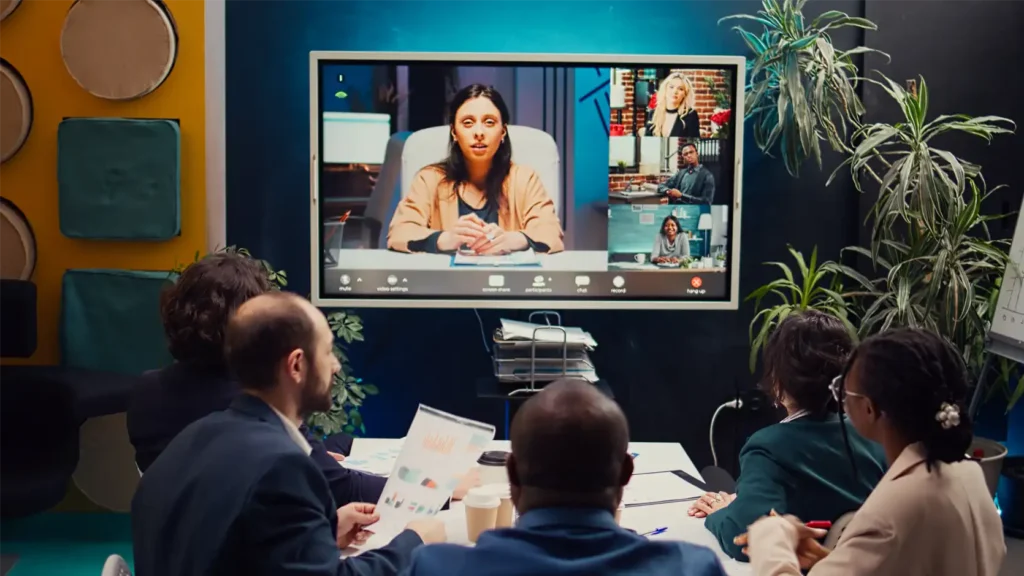
Virtual Event Trends 2025: How to Elevate Your Strategy with Hybrid Innovations
As we approach 2025 the events industry is on the cusp of a dynamic transformation. With increasing emphasis on accessibility, sustainability, and inclusivity, event planners must embrace innovative formats to stay ahead. Virtual events trends are reshaping how organizations connect with audiences with powerful tools to deliver meaningful experiences.
Virtual and hybrid event models are leading the charge, offering unparalleled opportunities to reach broader audiences while aligning with modern values. By adopting these strategies, you’ll not only meet the needs of today’s audiences but also future-proof your events. Let’s delve into actionable strategies to elevate your event planning by leveraging these formats effectively.
Broadening the Reach of Your Events
One of the most compelling advantages of virtual and hybrid events is their ability to make experiences more accessible to diverse audiences. By breaking down physical and geographical barriers, these formats enable participation for those who might otherwise be excluded.
Assistive Technologies: Implementing tools such as closed captioning, sign language interpretation, and screen reader compatibility ensures that your events cater to individuals with disabilities. Real-time translations can also bridge language barriers, opening your event to global audiences.
Customizable Participation: Virtual platforms can provide adaptable viewing and interaction options, accommodating various time zones, preferences, and needs. Offering downloadable materials, recorded sessions, and live Q&A opportunities further enriches the attendee experience. Tailor content for different demographics to make your event widely appealing.
By prioritizing accessibility, you’ll not only expand your audience but also foster inclusivity and goodwill. An accessible event is a clear statement that your brand values everyone’s participation.
Hosting Eco-Friendly Events
In an era of environmental consciousness, sustainability should be central to your event strategy. Virtual and hybrid formats inherently reduce the carbon footprint associated with traditional in-person gatherings. Consider these key practices:
Carbon Reduction Metrics: Eliminate the environmental impact of mass travel by enabling remote attendance. Promote public metrics showcasing reduced CO2 emissions from your virtual event to demonstrate your commitment to sustainability. Incorporate renewable energy sources in any physical venues used.
Paperless Solutions: Go fully digital with event brochures, schedules, and promotional materials to minimize waste. Platforms with integrated apps and QR codes can streamline these efforts and encourage attendees to embrace digital interactions.
Hybrid Event Optimization: For hybrid setups, incorporate local hubs or regional meetups to reduce extensive travel while maintaining in-person elements for engagement. Collaborate with eco-friendly vendors to source sustainable materials for physical components of the event.
Sustainable events are not only better for the planet but also appeal to environmentally-conscious audiences, enhancing your brand’s reputation with those key groups. Engage participants by sharing stories of your sustainability efforts to foster community support.
Cost Efficiency: Scaling Your Budget
Virtual and hybrid events also offer substantial cost savings compared to traditional formats. With fewer logistical requirements, these models maximize the impact of every dollar spent.
Travel and Accommodation Savings: By reducing or eliminating the need for travel, accommodation, and physical venues, organizations can allocate resources to other priorities such as enhancing content, marketing, or tech solutions. For hybrid events, selecting regional venues minimizes travel expenses while retaining live components.
Scalable Formats: Virtual platforms can accommodate massive audiences without the need for additional space or complex logistics, allowing cost-efficient scalability. Instead of increasing costs, focus on enhancing the quality of your digital delivery to make every attendee feel valued.
A cost-effective approach doesn’t mean compromising quality. Redirect your savings towards improving attendee experience and achieving higher ROI. Invest in interactive tools and analytics to better understand and serve your audience.
Connecting Global and Diverse Audiences
Hybrid and virtual formats allow you to design events that truly embrace inclusivity by creating spaces where everyone feels represented and valued.
Catering to Varied Needs: A hybrid setup ensures that both in-person and online attendees have equitable access to event content. Incorporate real-time audience interaction via chatrooms, polls, and Q&A sessions to encourage active participation. Include culturally relevant content and diverse speakers to reflect a broader range of perspectives.
Fostering Community: Virtual breakout rooms, networking sessions, and dedicated discussion channels enable deeper connections among attendees. These elements help establish a sense of belonging and shared purpose. Platforms with AI-powered matchmaking can connect participants based on shared interests, further enhancing the networking experience.
Inclusivity in event planning not only improves audience satisfaction but also positions your brand as forward-thinking and culturally aware. Celebrate diversity to resonate with audiences worldwide and amplify your impact.
Maximizing ROI: Turning Events into Long-Term Value
Virtual and hybrid formats are designed to drive measurable returns, from lead generation to future content creation.
Lead Generation and Brand Visibility: Digital events naturally capture comprehensive attendee data, providing valuable insights for future campaigns. Use these metrics to refine your marketing strategies and improve overall ROI. Gamify engagement during events to increase participation and collect more actionable insights.
Future Content Opportunities: Recorded sessions and presentations can be repurposed into evergreen content such as webinars, eBooks, or promotional materials, creating additional touchpoints for engagement. Highlight key moments from live streams as teaser content for social media, extending the visibility of your brand.
By leveraging the data and content generated during your events, you can extend their impact far beyond the event’s closing day. Share analytics with stakeholders to demonstrate the value of your investment.
Flexibility and On-Demand Content: Extending the Event Lifespan
The modern audience values flexibility. Offering on-demand content ensures your event remains relevant and accessible long after its initial execution.
Lifetime Access: Recorded sessions enable attendees to revisit key insights or share them with their network. This feature also attracts potential attendees who can’t participate in real-time. Consider offering premium packages that include extended access to exclusive content.
Global Engagement: On-demand content bridges geographical and time-zone divides, making your event a truly global experience. Supplement recordings with discussion forums or follow-up webinars to sustain engagement long after the live event ends.
This flexibility not only enhances attendee satisfaction but also increases the longevity of your event’s influence. Use ongoing engagement strategies to turn one-time participants into long-term advocates for your brand.
Practical Tips for Building Your 2025 Event Strategy
Experiment with Formats: Explore hybrid models by combining live sessions with on-demand options to cater to diverse audience preferences. Regularly survey attendees to understand their changing needs and align with trends in virtual events that emphasize personalization and access.
Invest in Technology: Choose platforms that prioritize usability and include built-in analytics, interactive features, and robust security measures. Ensure your platform is scalable and can handle global audiences effectively.
Focus on Design: Curate user-centric designs for digital experiences to encourage engagement and reduce friction. Enhance visual appeal by incorporating custom branding elements and interactive interfaces.
Enhance Networking Opportunities: Leverage AI-powered matchmaking tools or scheduled networking sessions to foster meaningful connections. Consider creating tiered networking opportunities for deeper, tailored engagement.
Highlight Social Impact: Share stories about the inclusive and sustainable impact of your event to build brand loyalty and community trust. Engage participants in live sustainability challenges to make a tangible impact.
Be Ready for 2025: Innovate Your Events
The events landscape is undergoing rapid evolution, and the time to adapt is now. By embracing the power of virtual and hybrid formats, you can deliver accessible, sustainable, and inclusive experiences while maximizing your ROI and extending the reach of your brand.
As 2025 approaches, the key to success lies in your ability to combine strategic planning with cutting-edge technology. Begin incorporating these innovations into your event strategy today to lead the way into the future of impactful, scalable events. With the right approach, your events won’t just meet expectations—they’ll redefine them by aligning with the most relevant trends in virtual events, and harnessing the momentum of virtual events trends already transforming the industry.