The line between physical and virtual events is changing, and what once was a boundary is now a bridge. As the 2026 event season begins, events planners are reimagining what it means to bring people together, both in person and online.
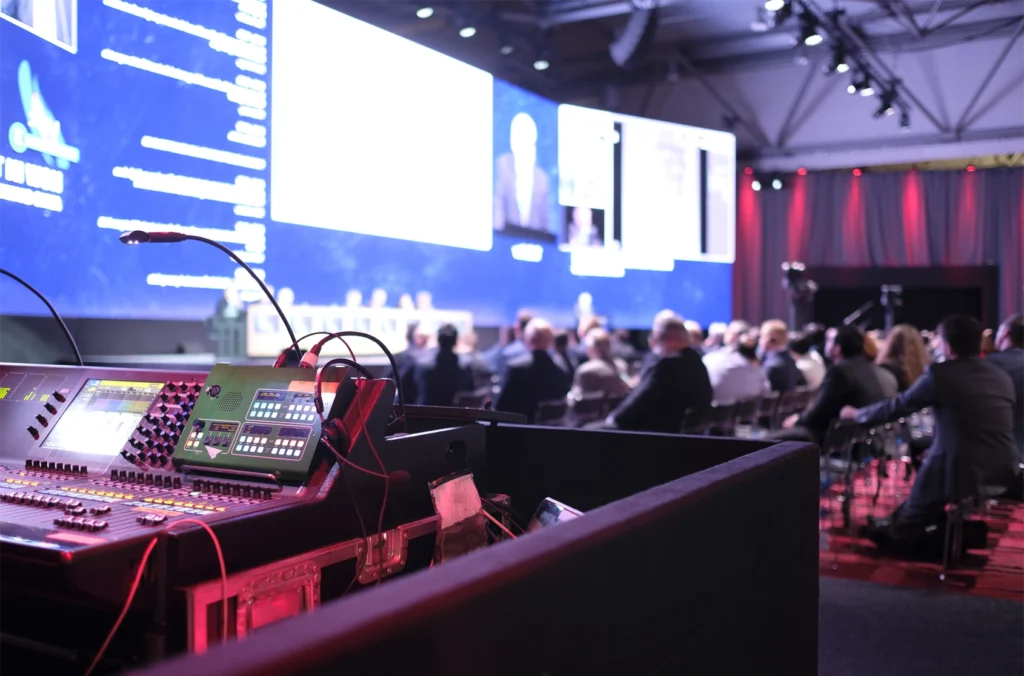
Modern hybrid events represent the pinnacle of event design, combining the in-person energy of traditional events with the sale, accessibility, and intelligence of digital platforms. But despite the advancements for many event planners, the biggest challenge remains how to effectively connect event attendees who aren’t in the same room.
Synchronizing Hybrid Formats for a Unified Experience
The foundation of a successful hybrid event lies in synchronization. Every element, from the agenda and content delivery to the engagement tools and additional resources, should be designed to ensure that both audiences share a common experience.
A common pitfall in hybrid event design is treating virtual attendees as passive viewers rather than active participants. To avoid this first hurdle, event organizers should choose a platform that is tailor made to support immersive and engaging hybrid events, with integrated engagement tools that help virtual attendees feel as though they’re in the room.
Other best practices for synchronizing hybrid event formats are:
Unified Scheduling
Though some virtual attendees may want to make use of on-demand availability and asynchronous viewing to align with their schedules, there will be those who want the live experience. Keep both audiences aligned with synchronized start times for key sessions, and shared keynotes that can be attended regardless of format, while still offering on-demand viewing post event.
Designated Moderators
By assigning one moderator in the room and another for online audiences who collaborate through the central event platform, you can encourage unified discussions while ensuring that every voice is heard.
Shared Engagement Tools
Engagement activities don’t have to be limited to online attendees. Open polls and Q&As to those in the room through the same interface as those attending remotely for a combined experience and better data tracking.
How to Keep Remote Attendees Engaged in Hybrid Events
The fear of missing out, or FOMO, can significantly impact virtual attendee experience, especially when remote participants feel excluded from the energy, networking, and buzz of a live event. This disconnect can lead to a drop in engagement, with attendees choosing to tune out rather than remain in the background.
From a psychological perspective, the feeling of inclusion is created by a mixture of visibility and participation. The more opportunities that remote attendees have to shape their event experience, through bespoke agendas, polls, or discussions, the less they’ll feel like outside observers.
To create the best experience for every attendee, event organizers should design hybrid experiences intentionally, presenting specific opportunities to virtual attendees that will enhance their overall experience.
Creating Shared Moments
One of the most effective ways to close the divide between remote and physical audiences is to design shared moments that unite both groups in real time.
- Opening and Closing Ceremonies bring attendees together at the start and end of events, establishing a unified event community. Streaming the opening keynote and featuring interactive introductions supports the sense of shared space.
- Joint Polls and Q&A can be used for every attendee, not just those attending virtually. With tools that aggregate responses, event organizers can make space for a single conversation.
- Hybrid Breakout Sessions are designed to mix remote and physical attendees via video conferencing and breakout room tools. Creating these spaces encourages cross-collaboration and helps keep virtual attendees part of every discussion.
Technology That Bridges Physical and Digital Event Formats
As virtual event technology continues to develop it seems more likely than ever that the future of events will be hybrid, with immersive real-time technologies harnessed to bridge global distances.
Enterprise grade event platforms are already providing stable, scalable streaming with integrated engagement features to support and enhance hybrid attendance and ensure that every attendee experiences content seamlessly.
But new innovations are set to take the hybrid events space further. With emerging technologies in 3D video presence, such as Google’s Project Starlight, virtual presenters could soon appear almost as clearly as if they were in the room with their audiences. Combine this with advancements in traditional AI for engagement, personalization, and analytics, and hybrid events will soon be set to offer an entirely new level of immersion.
Extending the Life of Hybrid Events
Hybrid events come with the built-in advantage of creating an immediate digital footprint. With the right hybrid event platform event organizers can turn a one-time experience into a continuous engagement opportunity.
Event impact can be extended by:
- On-Demand Access. Record sessions directly into events portals to make them available instantly for new or returning attendees after the event closes.
- Follow-up Messaging. Dive deeper into the topics that your audience cared about, using engagement data to personalize post-event messaging.
- Resource Sharing. Use your designated events portal as a hub where attendees can download related resources, and access additional information.
By approaching each hybrid event as a continuous experience rather than one-off activity, event organizers can significantly increase both the reach and the ROI of their events.
Measuring Success Beyond Engagement
By focusing on performance and improvement, event organizers analyze more than attendance metrics to evaluate the success of their events. With the best event platforms offering a range of reporting and analytics integrations, event planners can create detailed dashboards that measure both in-person and virtual activity to create a holistic picture of their events.
By choosing a hybrid event platform that measures engagement rates through poll and Q&A participation, content reach with on-demand and replay statistics, and attendee sentiment with post-event surveys, organizers can evaluate the quality of engagement, rather than simply logging attendee numbers, allowing them to refine every experience for future improvement.
Conclusion
As hybrid events continue to evolve, the goal remains the same. Connecting two audiences to create a single event community. With the development of event technology, event organizers will be more able to blend physical energy with digital intelligence. This helps make attendance and engagement effortless no matter the channel.
Whether through synchronization, real-time engagement, or on-demand availability, hybrid events are redefining what it means to connect, making virtual and physical events better by bringing them seamlessly together.
Frequently Asked Questions
What is a Hybrid Event?
A hybrid event is an combines an in-person experience with a virtual audience that attend online at the same time. Hybrid events use secure event technology to connect both audiences through live streaming and interactive engagement tools.
How do you keep virtual attendees engaged during a hybrid event?
Virtual attendees stay most engaged when hybrid events include:
- Live polls and Q&As across both audiences with emoji reactions for feedback
- Moderated chat and reactions
- Dedicated virtual hosts and producers
- Integrated virtual networking tools
Using enterprise event platforms ensures virtual event attendance is not treated as secondary to in-room experiences.
What are the benefits of hybrid events?
Hybrid events can increase reach, improve accessibility, extend event lifespan through on-demand content, providing event organizers with richer engagement data. They allow organizations to connect with global audiences while maintaining the impact of in-person interaction.
What technology is needed to run a successful hybrid event?
Successful hybrid events require:
- Reliable, low latency live streaming
- Interactive engagement tools
- Audience analytics and reporting
- Enterprise grade security and compliance.