Inbound marketing has become one of the most reliable ways for B2B companies to generate qualified leads. Instead of interrupting prospects with cold outreach, inbound strategies attract buyers through content, thought leadership, and engaging digital experiences.
The data behind inbound marketing is compelling. Studies show that inbound marketing generates 54% more leads than traditional outbound approaches, while costing approximately 62% less per lead.
Even more importantly, inbound leads tend to convert at a much higher rate, with organic and inbound leads closing at around 14.6%, compared with 1.7% for outbound equivalents.
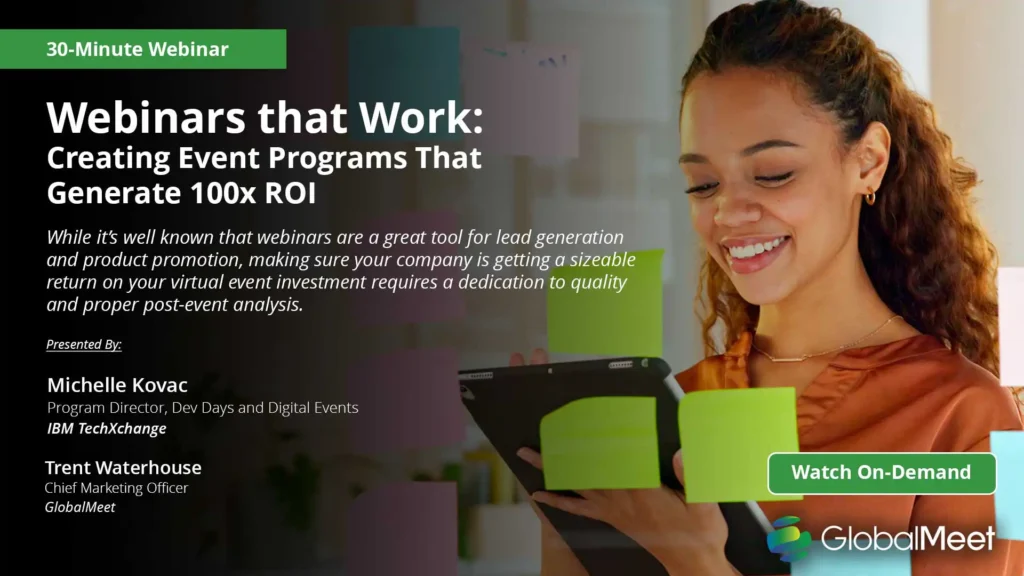
For B2B organizations running virtual events and webcasts, this presents a powerful opportunity. Webcasts combine education, engagement, and first-party data collection, making them ideal engines for inbound demand generation.
Why Inbound Marketing Matters
Marketing budgets are under pressure, and organizations are increasingly focused on measurable ROI. In this environment, inbound marketing stands out for consistently delivering high-quality leads at a lower cost than relying on outbound alone.
On average, inbound strategies generate 54% more leads than outbound marketing equivalents, cost around 62% less per lead, and deliver higher close rates than outbound only approaches.
For organizations running virtual events, webcasts are the perfect tool to support this strategy.
Educating Over Selling
One of the most effective ways to generate inbound leads is through educational webcasts and webinars. When designed correctly, virtual events position your organization as a trusted authority while attracting prospects that are actively searching for insights.
Research shows that most B2B buyers now complete a large portion of their research independently before speaking with a sales representative. This means that companies that educate the market have a better chance of winning deals down the line.
Education First Webcast Formats for Inbound Lead Generation
Instead of relying on product demos alone, it’s smart to include a mix of thought leadership formats to enhance educational value.
Items such as:
- Industry trend briefings
- Expert panel discussions
- Customer success stories
- Technical deep dives
- Regulatory compliance updates
Can provide additional educational value to potential customers, encouraging prospects to register and begin engaging with your organization.
Building an SEO Content Engine Around Events
Inbound marketing depends heavily on discoverability. Organic search alone can drive over half of website traffic for many organizations, making SEO a critical component for inbound lead generation.
The most effective marketing teams therefore treat every webcast as the starting point for a wider SEO ecosystem.
How to Turn a Webcast into SEO Content
A single webcast can be repurposed to generate a number of search-optimized assets.
Blog Posts
Can be written to summarize the event and provide key insights for those who were not able to watch live or on demand.
On-Demand Video
Allows continued access to existing content, extending the life of the event, expanding data collection, and increasing potential ROI.
FAQ Articles
If there are a lot of questions during or after an event, summary FAQ articles can be created to address and answer audience questions for continued engagement.
Downloadable Guides
Provide additional context and content for event attendees, which could lead to further interest and engagement.
Social Media Posts
Created using snippets of thought leadership content from the event help to increase visibility and widen participation.
By turning each webcast into an SEO optimized content package, the lifetime and value of every event is significantly increased without significant additional resource requirements.
Why Using Webcasts for Content Works
Inbound buyers typically consume several pieces of content before engaging with sales. Research indicates that 47% of buyers review between three and five pieces of content before ever speaking to a vendor.
By building an ecosystem of related content around each webcast you increase the chances that prospects will discover your brand during their research process.
Repurposing Events into Multi-Channel Leads Engines
One of the most common mistakes in virtual event marketing is treating a webcast as a one-time activity.
In reality, a webcast should be the core asset that powers and entire multi-channel campaign.
From one webcast organizations can create:
- Blog articles
- Short video clips for social media
- Podcast episodes
- Email nurture sequences
- Slide decks and downloadable guides
- Thought Leadership social media content
Repurposing content allows teams to extend the reach of each event while reducing production costs.
Video content is especially valuable for inbound marketing. Research suggests that incorporating video can significantly increase engagement and drive organic traffic growth. Shorter clips are particularly effective on professional networks, where B2B buyers frequently engage with thought leadership content.
Using AI and Automation for Leads Nurture
Artificial intelligence is rapidly transforming enterprise spaces, and marketing is no exception. Many organizations are experimenting with AI tools to automate and streamline lead qualification and optimize campaigns, with initial statistics suggesting that companies using AI and automation tools are seeing an increase in qualified leads, conversion, and revenue.
Enhancing Inbound Generation
AI and automation tools can enhance inbound strategies via two main paths. Predictive lead scoring, and personalization.
By using AI analytics tools organizations can rapidly assess customer behavior, tracking and reporting on webinar attendance, email engagement, and content downloads in real time. This allows marketing and sales teams to identify high-intent prospects more quickly, supporting agility in strategic decisions.
AI and Automation tools can also be used to personalize customer and content journeys, with some able to algorithmically recommend content based on previous browsing behavior. This alongside personalization in emails and other contact formats helps customers feel valued, and allows them to receive relevant information at each stage of their buying journey.
Optimizing Landing Pages for Lead Conversion
Driving traffic is only half the journey. Converting visits into leads requires thoughtful optimization of landing pages and clear calls to action. On average, a B2B landing page has an average conversion rate of 13%, so even small improvements can significantly increase leads volume.
Reduce Friction
Using shorter forms on landing pages generally performs better than pages that include long forms. When a customer can see that only the essential information is being collected, they are more likely to proceed with that initial engagement.
Highlight Value
Potential customers are unlikely to sign up for anything that doesn’t demonstrate specific value. By setting out clearly what they will gain from a webcast or download at the start of a landing page, the potential for engagement can is exponentially increased.
Leverage Social Proof
Customers want to know that engaging with your content is worth their time. By including speaker credentials, customer logos, testimonials, and success statistics directly on the landing page, you can demonstrate value and leverage social proof all at the same time.
Metrics that Demonstrate Impact
The success of any inbound marketing campaign can be assessed through its impact on revenue.
Key metrics to track that demonstrate impact include:
Lead Generation Metrics
- Website traffic
- Content downloads
- Webinar registrations
Engagement Metrics
- Webinar attendance rate
- Average viewing time
- Content consumption
Revenue Metrics
- Marketing qualified leads (MQLs)
- Sales qualified leads (SQLs)
- Pipeline generated
- Closed revenue
Inbound strategies are particularly effective because they attract buyers who are already researching solutions. This explains why inbound leads can convert better than outbound, and why B2B markets so often prioritize them.
Conclusion
Looking ahead, it seems clear that the most successful B2B marketing teams will be those that combine educational webcasts and virtual events with SEO focused content, personalization, content distribution, and data informed leads scoring into a single comprehensive content marketing strategy.
When executed effectively, this approach could transform every webcast from a simple online presentation to a scalable demand generation engine, supporting pipeline growth and ensuring continued success.
Frequently Asked Questions
What is Inbound Lead Generation?
Inbound lead generation is the process of attracting potential customers through high value content and experiences such as blogs, webinars, and SEO optimization, rather than through cold calls and ads. It focuses on drawing in prospects who are already researching solutions and nurturing them until they are ready to engage with sales.
Are webinars effective for B2B lead generation.
Yes, webinars and webcasts are some of the most effective tools for B2B inbound lead generation. They combine education with engagement, allowing businesses to capture high-intent leads through registration data, attendee behavior, and post-event interaction. Tey also provide valuable first-party data that can be used for follow-up marketing and sales outreach.
How many leads can a webinar generate?
The number of leads a webinar or webcast generates depends on factors such as audience size, topic relevance, and promotion strategies. Well-executed B2B events can generate significant numbers of qualified leads, especially when supported by strong SEO, email marketing, and social promotion.
How to improve webinar conversion rates?
To improve webinar and webcast conversion rates marketers should optimize landing pages, keep registration forms short, promote event and speaker credentials across multiple channels, and follow up with both attendees and no-shows with targeted email campaigns.
Testing and refining these elements over time can significantly increase conversions.
How can AI be used to improve inbound marketing results?
AI can be used to improve inbound marketing by automating lead capture, personalizing content, and identifying high-intent prospects. Tools that support lead scoring and automated email workflows help businesses engage prospects more effectively and convert them more quickly into qualified leads.