The Problem Nobody Wants to Admit
Your CEO is brilliant. Your leadership team is aligned. Your company strategy is solid. But here’s the uncomfortable truth: most of your employees have no idea who your executives actually are, or what they stand for.
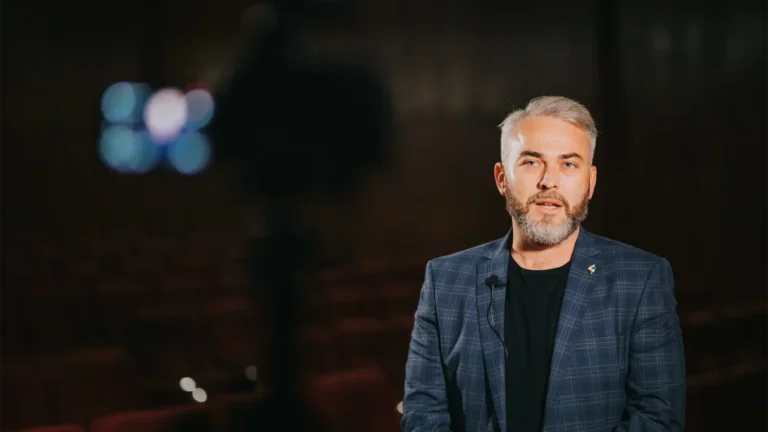
In a virtual-first world, executive presence has become a casualty of convenience. Leaders hide behind email, quarterly earnings calls feel transactional, and town halls devolve into one-way broadcasts where the C-suite talks at people instead of with them. The result is disconnected teams, eroded trust, and a leadership brand that feels distant and inaccessible.
This isn’t a nice-to-have problem. It’s a strategic liability.
Research on employee engagement and leadership visibility shows that employees who feel connected to their leadership are significantly more likely to stay, perform at a higher level, and advocate for their company. Yet most organizations are still relying on communication channels that create friction instead of connection.
The good news: the fix is simpler, and more powerful, than most teams assume.
Why Virtual-First Doesn’t Have to Mean Distant
The shift to distributed work didn’t kill executive visibility — it exposed the flaws in how organizations were already doing it.
Traditional in-person town halls had one real advantage: proximity breeds authenticity. Employees could see the CEO’s body language, hear the genuine tone in their voice, feel the energy in the room. Scaling that experience across time zones and remote locations is where most organizations fall apart.
What’s changed:
- Employees expect accessibility. They want to see their leaders regularly, not just quarterly.
- Authenticity is non-negotiable. Polished, scripted messaging feels hollow; people want genuine, unfiltered leadership communication.
- Engagement is measurable. You can track who attended, how long they stayed, and which questions resonated — data that shapes future strategy.
The companies winning at executive visibility aren’t doing anything revolutionary. They’re using the right platform to deliver the right experienceat scale.
The Three Pillars of Effective Executive Visibility
1. Frequency Over Perfection
Your CEO doesn’t need to wait for a quarterly all-hands to connect with the organization. Leading companies are shifting to monthly or bi-weekly executive touchpoints — shorter, more frequent, and more intimate.
A 60-minute quarterly town hall where the CEO reads from slides feels like a performance. A 30-minute monthly fireside chat where the CEO answers unscripted questions feels like leadership. When employees know they’ll hear from the top regularly, they pay attention, prepare questions, and feel heard.
Pro tip: vary the format. One month it’s a Q&A; the next, a strategic update; the month after, a casual “coffee chat” where the CEO talks about culture or leadership philosophy. Variety is what keeps people engaged.
2. Interactivity as a Trust-Building Tool
One-way broadcasts are dead. Modern employee communication research shows that two-way dialogue meaningfully increases message retention and psychological safety.
In practice, that means:
- Live Q&A where employees can ask unvetted questions, including the risky ones.
- Polls and real-time feedback that show leaders are listening and adapting.
- Breakout discussions where smaller groups can go deeper on what matters to them.
- Chat engagement that makes employees feel seen, not just talked at.
When your CEO answers a frontline employee’s question live — and admits when they don’t have all the answers — the leadership brand shifts from distant authority to human leader. That shift is what builds trust, more than any single message ever could.
3. Accessibility Across Time Zones and Schedules
Virtual-first doesn’t mean everyone logs in at the same time. Leading organizations use recorded sessions with on-demand access, so employees can participate asynchronously without losing the live, interactive experience.
This solves a real problem: a live session at 9 AM Pacific is 5 PM in London and midnight in Singapore. Offering both live and on-demand options, with the ability to submit questions asynchronously, makes sure no one is left out. Research on distributed team engagement links inclusive communication practices directly to retention and belonging.
Real-World Impact: What Changes When You Get This Right
When corporate communications teams implement a strategic executive visibility program, the shifts are measurable:
Employee engagement. Employees who regularly interact with leadership report higher engagement scores and stronger alignment with company values.
Retention. Visible, accessible leaders reduce turnover — especially among high-potential talent who want to understand where the company is headed.
Message penetration. Instead of hoping strategy cascades cleanly through layers of management, you’re delivering it directly, with context and authenticity.
Crisis resilience. When trust is already built, the organization can absorb difficult announcements — restructuring, market pressure, leadership changes — with less cynicism and more understanding.
Employer brand. Employees become advocates. “Our CEO actually listens. Our leadership is real.” That’s worth more than most recruitment campaigns.
The Technical Foundation: Choosing the Right Platform
This is where many organizations stumble: they pick a webcast or virtual-event platform based on features, not on the experience it creates.
The right platform should enable:
- Seamless interactivity — Q&A, polls, and chat that actually work without technical friction.
- Professional production quality that reflects your brand, not a grainy video call.
- Robust analytics so you understand engagement patterns and can optimize future sessions.
- Security and compliance appropriate for sensitive leadership communications.
- Scalability to grow from 100 to 10,000 participants without degrading.
- On-demand access so employees can catch up asynchronously.
The platform is the enabler; the strategy is what actually matters. You need a partner who understands corporate communications, not just webinar logistics.
Building Your Executive Visibility Roadmap
Month 1: Audit & Strategy
- Map your current executive communication cadence — where are the gaps?
- Identify which leaders need more visibility (hint: usually more than just the CEO).
- Define success metrics: attendance, engagement, sentiment, retention impact.
Months 2–3: Pilot Program
- Launch a monthly executive fireside chat with your CEO.
- Test different formats: Q&A, strategic updates, casual conversations.
- Gather employee feedback on what resonates.
Month 4+: Scale & Optimize
- Expand to other C-suite leaders and department heads.
- Introduce themed sessions: culture, strategy, career development.
- Use analytics to refine timing, format, and content.
The key is consistency. Employees need to know: “Every month, I’ll hear from leadership. I’ll have a chance to ask questions. I’ll understand where we’re going.” That predictability is what builds trust.
The Bottom Line
Executive visibility isn’t a nice-to-have in a virtual-first world. It’s a strategic imperative for retention, engagement, and organizational alignment.
The companies winning at this aren’t doing anything magical. They’re being intentional about three things:
- Frequency — regular touchpoints, not quarterly events.
- Interactivity — dialogue, not broadcast.
- Accessibility — inclusive across time zones and schedules.
And they’re using platforms built to deliver that experience at scale, with the security, analytics, and production quality enterprise organizations require.
Your employees are craving connection to leadership. Your executives want to be visible and accessible. What’s usually missing is the strategy — and the platform — to make it happen.
Explore how enterprise organizations are transforming executive communications with scalable, interactive webcast solutions built for corporate communications teams.
Ready to strengthen your executive visibility? Start with a single monthly session. Measure the impact. Then scale from there. Your organization — and your retention numbers — will thank you.