Best Practices for Driving Event Attendance in 2026
- by GlobalMeet Blog Team
- ,
The events landscape has never been more competitive, and encouraging potential customers to register for events is only half of the battle. As we move into 2026 driving attendance will take more than generic invitations and impersonal ad campaigns. In order to succeed, virtual events must deliver value to every single attendee.
Whether hosting a fully virtual conference or a hybrid event experience, success begins with the very first customer engagement. From personalized outreach, to creating genuine value to encourage attendance, it all comes down to one key element. Connection.
Targeted and Consistent Promotion
Events that perform well start promoting early. The sooner you can begin your outreach, the more opportunities you have to build awareness, learn about you customer base, and sustain interest. With a market that’s more saturated than ever, and attention spans growing shorter by the year, early visibility can help your event cut through the noise and be seen by more potential attendees.
But reaching the right people is just as important as reaching enough of them. Choosing an event platform that features integrated event analytics tools allows organizers to track engagement patterns right from the start, helping to identify those attendees that are most likely to convert into qualified leads and tailor future messaging specifically for them.
Delivering Valuable Content
Content remains the number-one reason that people attend events. But going into 2026 it’s likely that the trend of audiences expecting experiences alongside information will continue. Sessions that are interactive, insightful, and designed for participation are likely to perform far better than those that rely solely on information transmission.
By using dynamic event formats organizers can offer curated, personalized paths for attendees that help them feel more valued by, and therefore connected to the event. And bringing in industry experts that your target audience values as speakers, then facilitating engagement activities like Q&A sessions can create two-way conversations that will deliver far more value than a simple one-to-many broadcast.
Make Space for Conversation
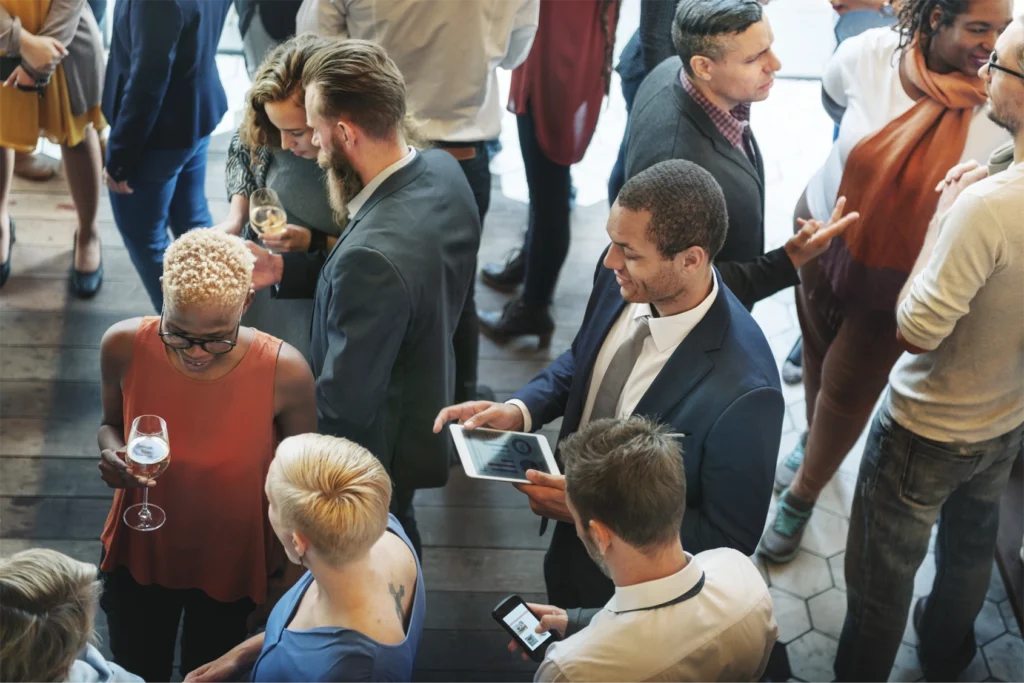
Networking has always been a high driver for event attendance, and even in virtual events the demand for networking opportunities is high. The change comes from how that connection happens when events are held in virtual spaces. Many virtual events platforms now feature breakout rooms and networking spaces that allow attendees to connect with each other through the course of an event. With tailored matchmaking, breakout spaces for specific topics, and professionally moderated discussions it’s possible to create the kinds of spontaneous discussions once reserved for those moments between sessions at in-person conferences.
Once the event ends, the conversations that were started inside it don’t have to. By building that sense of connection early you can more easily maintain momentum after your event closes, engaging attendees on social media and in follow up email sequences. When you create an event that feels like a single part of an ongoing conversation your attendees are more likely to return, and bring others with them.
Tailor Every Touchpoint
All marketers know that generic outreach doesn’t work anymore. Modern event attendees expect communication that feels as though it was written specifically for them, even if it wasn’t. To really drive a potential customer to attend your event, every single communication with them must reflect their preferences and their goals.
Right from the first sentence you have to show your audience that you care about them. Using personalized language like ‘just for you’ can not only make a potential customer feel important, it shows them that your organization has considered what they might need and are working to provide it. Combine that with event follow up communications suggesting other events or products that might interest them based on their specific engagement metrics, and you have a recipe for future returns.
It’s also vital to show customers that you understand how valued their time is. Customers who feel hounded or harried are far less likely to engage. By offering an on-demand or hybrid alternative to customers who don’t sign up for live attendance can be the difference between a customer tuning in, or switching off forever.
Master Social Momentum
Building the kind of reach and credibility that will draw customers towards your event doesn’t happen overnight. Using a combination of platforms with a variety of media can help to extend a campaign’s reach by showing your audience everything that your event has to offer.
During and after each event it’s vital to analyze what’s working, and what isn’t. For each social channel, monitor what drives the most attention, and what converts to attendance. With an agile social strategy that can adjust as much or as little as a campaign needs, you can dial into the things that your audience really cares about, and watch the numbers grow with every event.
Attendance Trends in 2026
While it’s not possible to know exactly what’s in store for the events industry in 2026, there are some things that stand out as likely contenders.
- AI Powered Engagement strategies that use predictive analysis to recommend sessions, connections, and content in real time.
- An increase in Hybrid experiences, combining the continued flexibility of virtual events with the return to more in-person experiences.
- A focus on sustainable event models, with carbon conscious practices and purposeful design resonating strongly with global attendees.
But no matter what changes, it seems clear that one thing will remain the same. Audiences will want an experience that feels personal, and that allows them to build connections.
Conclusion
Building virtual event attendance in 2026 is going to take more than increased promotional effort. But by starting outreach early, focusing on content that feels personal and meaningful to audiences, and using enterprise-grade technology that scales and innovate alongside each event, you can build an ongoing event strategy that leads to future success.